
Ozempic and Alcohol Cravings: What People in Recovery Should Know About GLP-1 Medications
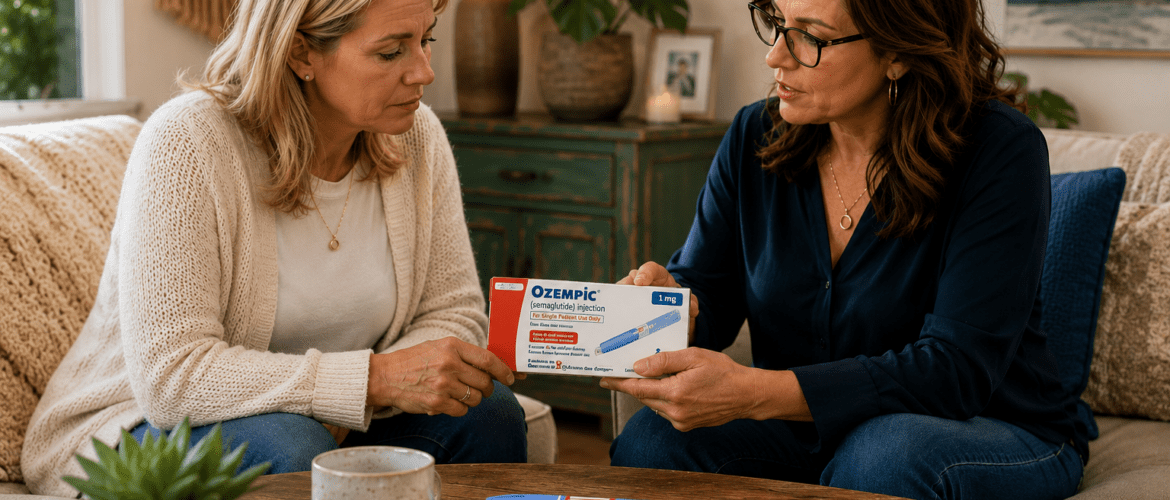
Ozempic alcohol cravings has become one of the most talked-about topics in addiction medicine and recovery circles. People are asking whether medications like Ozempic, Wegovy, Mounjaro, and Zepbound may reduce alcohol cravings, food cravings, compulsive behaviors, or even the urge to use certain substances.
For people in recovery, families, treatment professionals, and sober coaches, this is an important conversation. Early research is promising, but it is also easy for this topic to get overhyped.
GLP-1 medications may reduce cravings for some people, but medication alone is not a recovery plan. Long-term sobriety still requires structure, accountability, emotional regulation, relapse prevention, lifestyle change, and real-world support.
This article explains what GLP-1 medications are, what the research says about alcohol cravings, what these medications can and cannot do, and why recovery still requires more than reduced desire to drink.
Why Everyone Is Talking About Ozempic and Alcohol Cravings
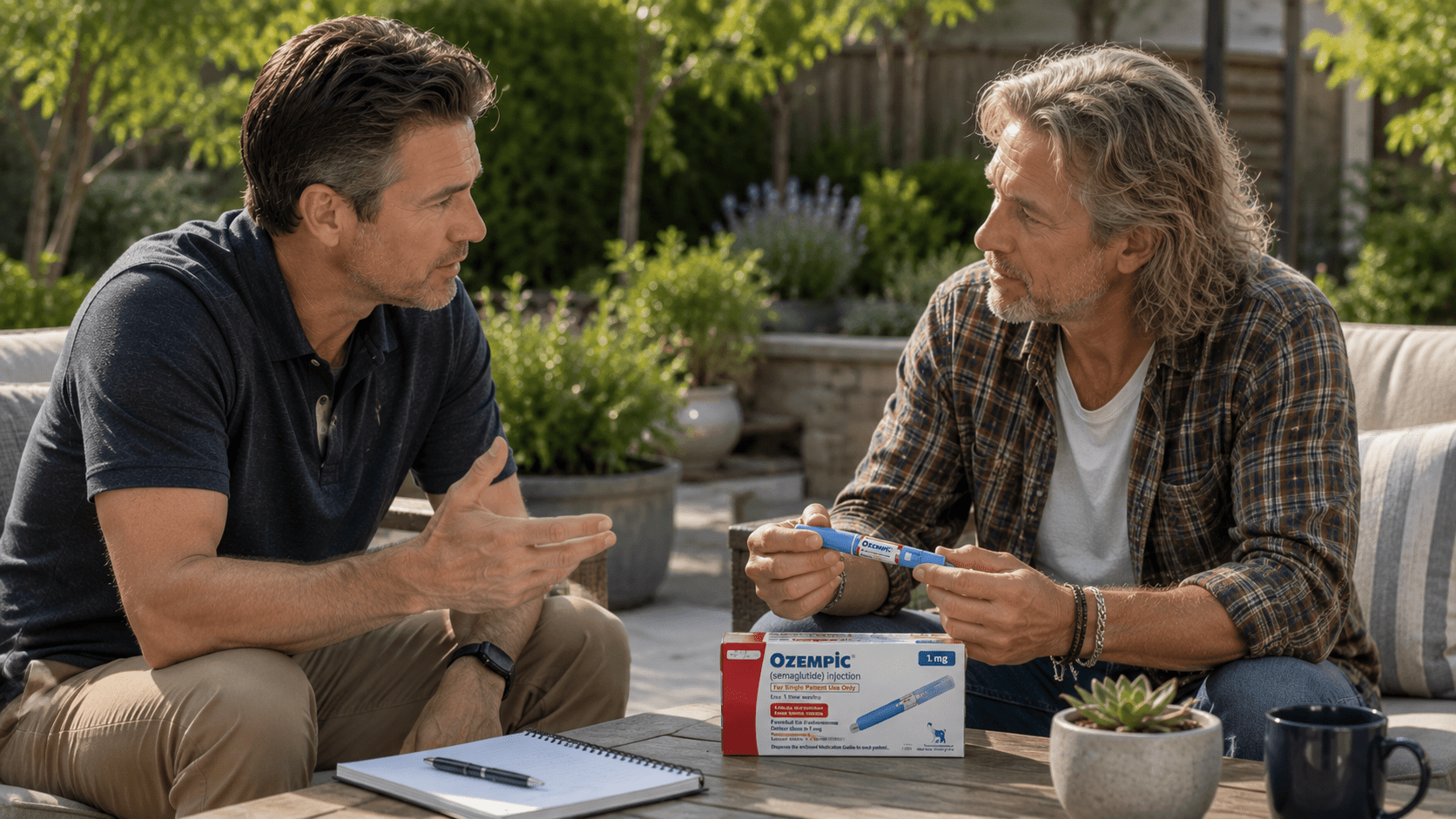
Ozempic and Wegovy are brand names for semaglutide, a medication originally developed for type 2 diabetes and later used for weight management. Other GLP-1 and related medications, such as Mounjaro and Zepbound, have also become widely known because of their impact on appetite, weight loss, and metabolic health.
More recently, many patients and clinicians began noticing something unexpected: some people taking GLP-1 medications reported less desire to drink alcohol.
That observation has led to growing research into whether GLP-1 medications may affect alcohol cravings, reward pathways, and addictive behaviors. This does not mean Ozempic is an addiction cure. It does mean researchers are taking the topic seriously.
The recovery field should pay attention to this conversation without turning it into a shortcut.
What Are GLP-1 Medications?
GLP-1 medications are drugs that mimic or influence a hormone involved in appetite, blood sugar regulation, digestion, and satiety. In simple terms, they can help some people feel full sooner, eat less, and experience fewer food cravings.
Because addiction also involves reward, reinforcement, cravings, and compulsive behavior, researchers are studying whether these medications may influence more than appetite.
For alcohol use disorder, the question is not simply whether someone drinks less for a week. The bigger question is whether reduced cravings can support long-term recovery when combined with treatment, accountability, and lifestyle change.
That distinction matters. Reduced cravings can be helpful, but cravings are only one part of addiction.
What the Research Says About GLP-1 Medications and Alcohol Use
Early research suggests that semaglutide may reduce some alcohol-related outcomes in certain people. Some clinical research has found reductions in alcohol craving, heavy drinking days, and alcohol consumption among participants receiving semaglutide.
That is encouraging, especially because alcohol use disorder remains a major public health problem and many people do not receive effective treatment.
However, the current evidence should be understood carefully. Much of the research is still early. Larger and longer studies are still needed. Researchers are still working to understand who may benefit most, what the risks may be, what dose is appropriate, and whether these medications should play a formal role in alcohol use disorder treatment.
Promising does not mean proven for everyone.
At this time, people should not assume that Ozempic, Wegovy, or another GLP-1 medication is a stand-alone treatment for alcohol addiction. Anyone considering medication should speak with a licensed medical provider who understands their health history, substance use history, medications, and recovery goals.
Ozempic Is Not a Replacement for Recovery
This is the most important point.
Alcohol addiction is not only a craving problem. It is often connected to stress, trauma, loneliness, anxiety, depression, family conflict, poor routines, social pressure, work stress, emotional avoidance, and deeply ingrained habits.
A medication may reduce the urge to drink, but it does not automatically teach someone how to live sober.
It does not create a daily routine. It does not repair relationships. It does not build honesty. It does not remove risky people from someone’s life. It does not make someone attend meetings, follow through with therapy, create accountability, or learn how to handle emotional discomfort without alcohol.
Recovery still requires action.
For many people, the best results come when medical care is combined with real-life structure, sober support, coaching, therapy, community, and relapse prevention planning.
Why Reduced Alcohol Cravings Do Not Automatically Equal Sobriety
Cravings are important, but addiction is larger than cravings.
Some people drink because they crave alcohol. Others drink because they are overwhelmed, lonely, resentful, anxious, bored, grieving, isolated, or stuck in old patterns. Some drink because alcohol is part of their identity, social life, marriage, career culture, travel routine, or stress response.
Even if cravings decrease, the person may still need to address the lifestyle and emotional patterns that supported drinking in the first place.
A lower craving level can create an opportunity for change, but it does not guarantee change.
This is where sober coaching, therapy, mutual support, healthy routines, and accountability can become extremely important. The goal is to help someone use the window of reduced craving to build a stronger recovery foundation.
What GLP-1 Medications Can and Cannot Do
GLP-1 medications may become an important part of the future conversation around alcohol use disorder and other compulsive behaviors. But families should keep a balanced view.
These medications may help some people experience less alcohol craving or reduced drinking behavior. They may also help people who struggle with obesity, diabetes, or metabolic issues under the care of a medical provider.
But GLP-1 medications cannot replace recovery structure. They cannot guarantee abstinence. They cannot remove denial. They cannot provide emotional accountability. They cannot rebuild trust after years of addiction. They cannot make someone willing to change.
Medication may support recovery, but it should not be confused with recovery itself.
Why Structure and Accountability Still Matter
People often relapse when structure disappears.
This is especially true after detox, rehab, a health scare, a family confrontation, or a short period of motivation. A person may sincerely want to stop drinking, but without daily structure and accountability, old patterns can return quickly.
Accountability helps turn intention into action. Structure helps reduce chaos. Support helps interrupt isolation. Coaching helps someone follow through when motivation fades.
For someone using a GLP-1 medication and noticing reduced alcohol cravings, this can be a powerful time to build the habits that long-term recovery requires.
That may include regular recovery meetings, therapy, exercise, improved sleep, spiritual practices, family boundaries, sober community, and online recovery coaching or in-person coaching support.
When Sober Coaching or Sober Companion Support May Help
Some people do not need intensive support. Others do.
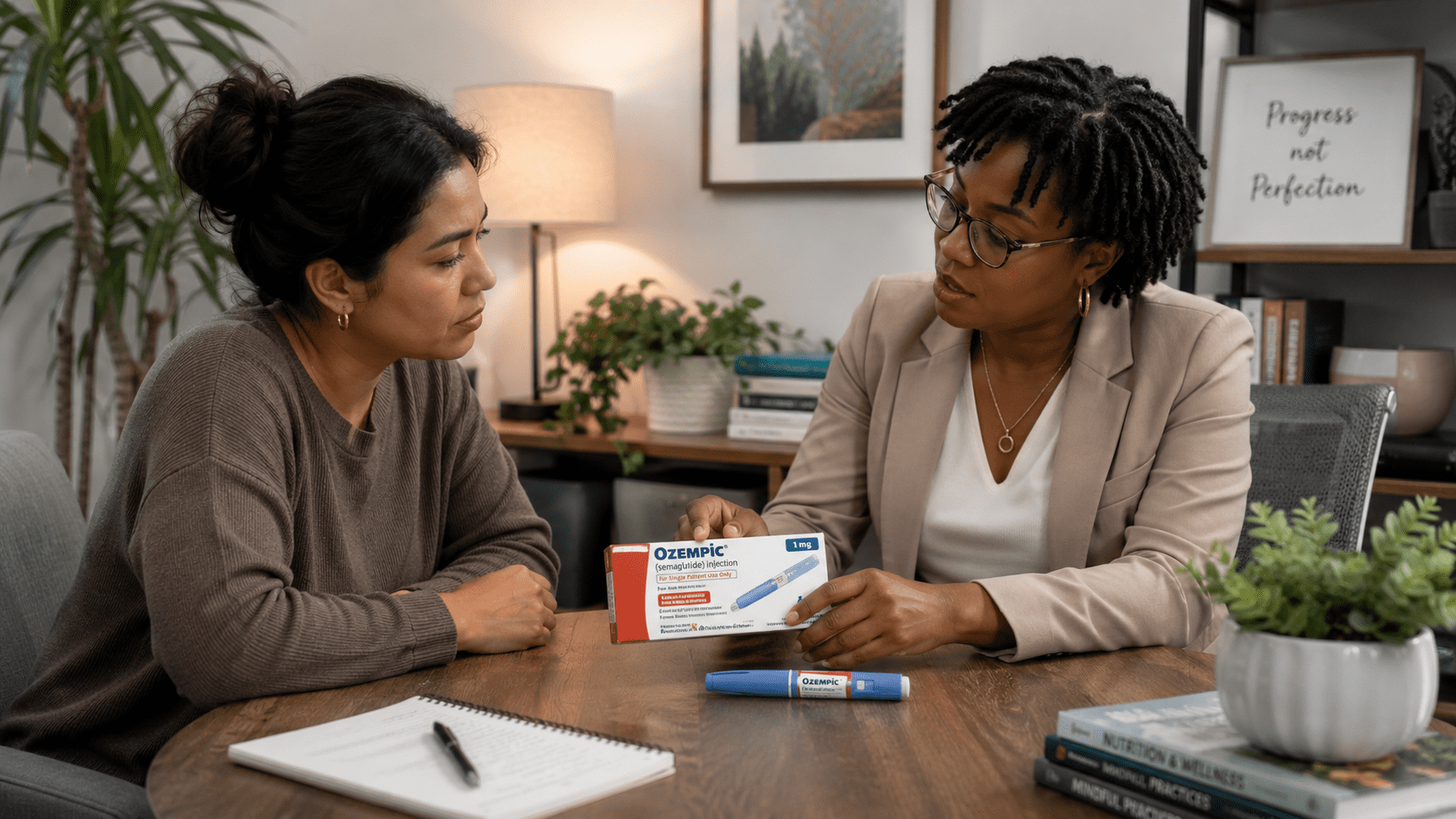
If someone is taking a GLP-1 medication and drinking less, that can be a positive sign. But if they are still unstable, isolated, dishonest, emotionally reactive, or unable to follow through with recovery plans, additional support may be needed.
A sober companion can provide hands-on support during high-risk periods, especially after treatment, relapse, travel, family conflict, or major life transitions.
A sober coach can help someone build the practical side of recovery: routines, goals, accountability, relapse prevention, healthy habits, and follow-through.
For clients who need support from home or while traveling, online recovery coaching can provide structure and accountability without requiring in-person meetings.
The right level of support depends on the real level of risk.
What Families Should Watch For
Families may hear a loved one say, “I’m fine now. I don’t even feel like drinking as much.” That may be true. It may also be incomplete.
Reduced cravings are encouraging, but families should still pay attention to behavior.
Is the person becoming more honest? Are they building a sober routine? Are they avoiding high-risk people and places? Are they taking care of their physical health? Are they showing emotional growth? Are they following through with therapy, meetings, coaching, or outpatient treatment?
If the answer is no, the family should not confuse lower cravings with stable recovery.
Recovery is measured by behavior, not just by how someone feels on a medication.
When Rehab Placement or Medical Care May Be Needed
GLP-1 medications should never be used as a substitute for urgent care, detox, or residential treatment when someone is medically unsafe or actively addicted.
If someone is drinking heavily, experiencing withdrawal symptoms, mixing alcohol with other substances, becoming suicidal, disappearing, or unable to stop despite serious consequences, a higher level of care may be needed.
In those situations, families may need help determining whether detox, residential treatment, rehab placement, sober transport, intervention planning, or sober companion support is the appropriate next step.
The goal is not to guess. The goal is to match the support to the seriousness of the situation.
What This Means for the Future of Recovery Support
The GLP-1 conversation may become one of the most important developments in addiction treatment over the next several years. If future research continues to show benefit, these medications may eventually become part of a broader toolkit for some people with alcohol use disorder.
But even if that happens, recovery will still require human support.
People need structure. Families need guidance. Clients need accountability. Emotional patterns need to change. Daily habits need to change. Relationships need to heal. A sober life still has to be built.
Medication may reduce cravings, but recovery builds a life where alcohol is no longer the solution.
How Sober Coaching Can Help
At Sober Coaching, we work with individuals and families who need practical, real-world recovery support.
Depending on the situation, that may include sober coaching, online recovery coaching, sober companion services, sober transport, rehab placement, or support for young adults struggling with failure to launch patterns.
We do not replace medical care, therapy, or treatment. We help clients and families build the structure, accountability, and follow-through that recovery requires in everyday life.
If a medication helps reduce cravings, that can be valuable. But the person still has to build a sober life. That is where real-world recovery support matters.
FAQ
Can Ozempic reduce alcohol cravings?
Early research suggests that semaglutide, the active ingredient in Ozempic and Wegovy, may reduce alcohol cravings and some drinking outcomes for certain people. However, more research is needed, and these medications should not be viewed as a stand-alone addiction treatment.
Are GLP-1 medications approved to treat alcohol addiction?
GLP-1 medications are not currently approved by the FDA specifically to treat alcohol use disorder. Anyone considering medication should speak with a licensed medical provider.
Can someone take Ozempic and still need recovery support?
Yes. Reduced cravings do not automatically create sobriety, emotional stability, accountability, or a healthy lifestyle. Many people still need therapy, sober coaching, meetings, outpatient treatment, family support, or sober companion services.
Is Ozempic a cure for alcoholism?
No. Ozempic is not a cure for alcoholism. It may help reduce cravings or drinking behavior in some people, but recovery still requires structure, behavior change, accountability, and support.
What should families do if a loved one is drinking less on a GLP-1 medication but still struggling?
Families should look at behavior, not just drinking volume. If the person is still isolated, dishonest, emotionally unstable, avoiding recovery work, or unable to function well, additional support may be needed.
When is a sober companion appropriate?
A sober companion may be appropriate when someone is at high risk for relapse, leaving treatment, traveling, struggling after a relapse, or unable to maintain structure and accountability on their own.
Final Thoughts
The conversation around Ozempic, GLP-1 medications, and alcohol cravings is important. It may open new doors for people struggling with alcohol use disorder and compulsive behaviors.
But recovery should never be reduced to a medication effect.
A person may experience fewer cravings and still need help learning how to live sober. They may drink less and still need structure. They may feel more in control and still need accountability.
The strongest recovery plans usually combine the right medical care with the right human support.
GLP-1 medications may become part of the future of addiction treatment. But for people and families struggling today, the fundamentals still matter: honesty, structure, accountability, healthy habits, relapse prevention, and connection.
Need Help for You or a Loved One?
If you or a loved one is struggling with alcohol, cravings, relapse, or the transition from treatment back into everyday life, recovery support can make a major difference.
Sober Coaching provides private, one-on-one sober coaching, sober companion, and recovery support for individuals and families who need guidance, accountability, and real-world recovery structure.
Call Sober Coaching now at 877-223-6680 for a confidential consultation.
Or visit our Contact Us page to reach out and get help today.
References & External Resources
- NIH: Adding weekly GLP-1 to cognitive behavioral therapy further reduces heavy drinking
- JAMA Psychiatry: Once-Weekly Semaglutide in Adults With Alcohol Use Disorder
- NIAAA: Medications Development Program for Alcohol Use Disorder
- FDA: Concerns with Unapproved GLP-1 Drugs Used for Weight Loss
- SAMHSA National Helpline