Updated November 1, 2026 to reflect the latest public-health warnings, federal scheduling actions, forensic findings, and treatment research.
What is MGM-15? MGM-15—also known as dihydro-7-hydroxymitragynine or DH-7-OH—is a potent semi-synthetic opioid created through chemical modification of compounds associated with kratom. It is not traditional kratom leaf, and it is not the natural botanical commonly known as cat’s claw.
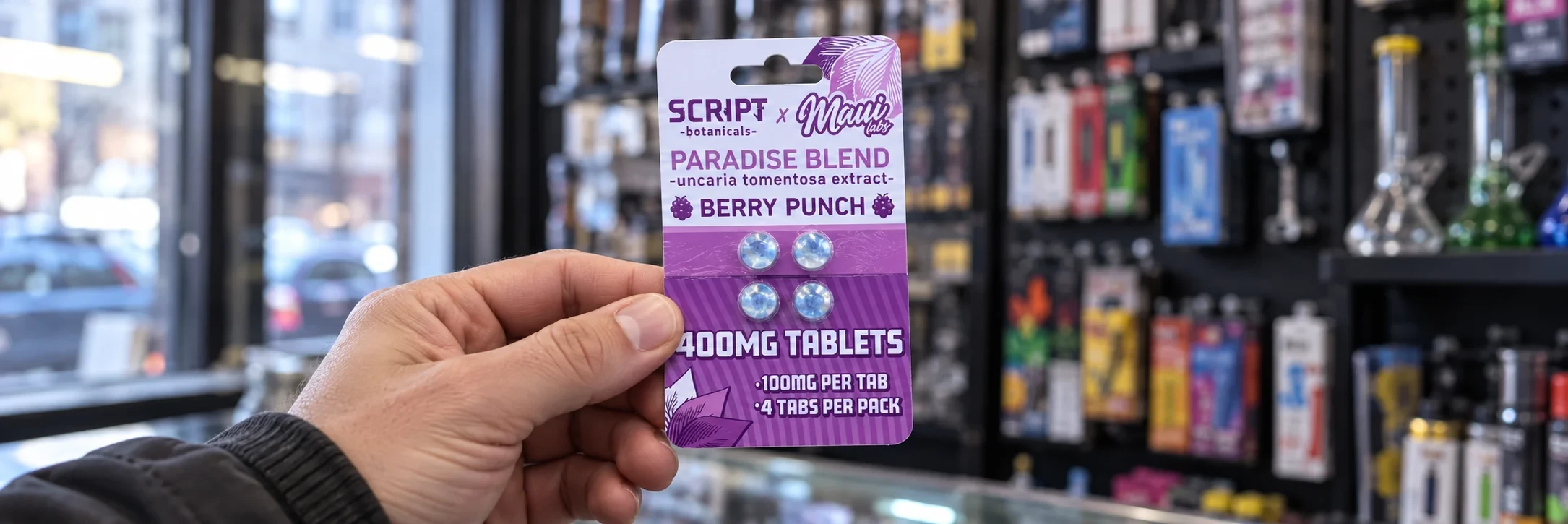
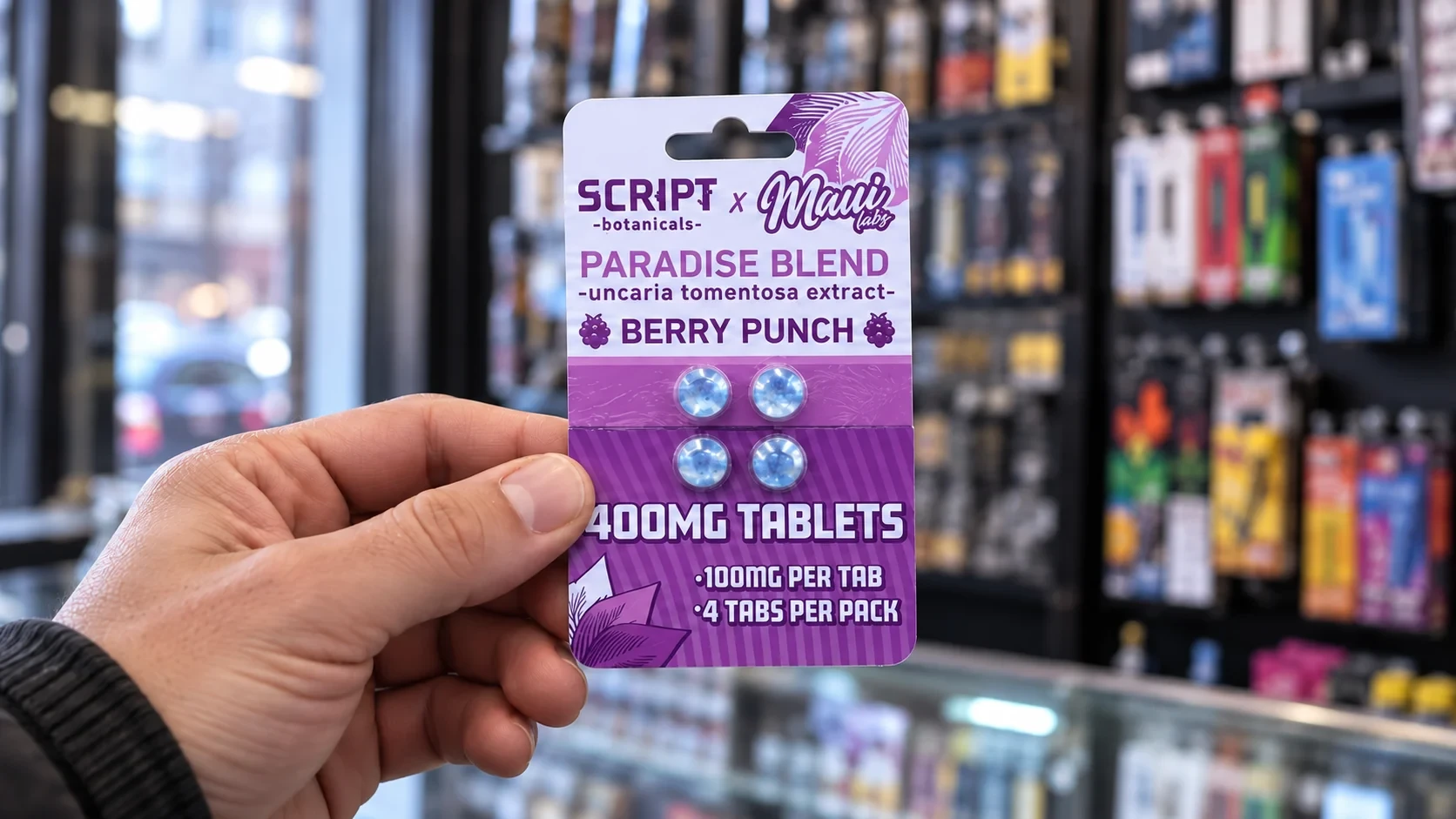
Public-health officials are warning about MGM-15 because it has appeared in tablets, capsules, powders, shots, and products misleadingly marketed as botanical supplements or “cat’s claw.” Consumers may believe they are buying a legal herbal product without realizing they are taking a powerful opioid capable of causing physical dependence, withdrawal, respiratory depression, overdose, and death.
On October 5, 2026, Utah health, poison-control, and agriculture officials issued an urgent warning after four deaths across the state were linked to high-potency illegal compounds found in certain products marketed as kratom or “cat’s claw.” Laboratory testing identified MGM-15 and mitragynine pseudoindoxyl in products sold online and through some smoke shops and gas stations.1
Quick answer: MGM-15 is a semi-synthetic opioid derived from kratom-related compounds. It acts on the brain’s mu-opioid receptors and can produce opioid-like effects, dependence, withdrawal, respiratory depression, and overdose. It is not naturally occurring traditional kratom leaf and should not be confused with legitimate botanical cat’s claw.
Federal status: As of November 1, 2026, MGM-15 remains under temporary Schedule I control. The DEA has announced that a new temporary scheduling order will maintain that status without a concentration threshold.23
Possible opioid overdose is a medical emergency. If someone cannot be awakened, has slow or stopped breathing, makes choking or gurgling sounds, or has blue, gray, or unusually pale lips or fingertips, call 911 immediately and follow the dispatcher’s instructions.
Give naloxone if it is available and follow the product instructions. If the person is not breathing normally, provide breathing support as directed by the 911 dispatcher. Once breathing returns, place the person on their side (recovery position) and continue monitoring until emergency medical help arrives. Additional naloxone doses may be needed.
Sober Coaching is not an emergency, medical, detoxification, or toxicology provider. For full overdose-response guidance, see the SAMHSA Overdose Prevention and Response Toolkit.
What Is MGM-15?
MGM-15 is the shortened name for dihydro-7-hydroxymitragynine. It is related to 7-hydroxymitragynine, commonly called 7-OH, but it is a separate substance.
MGM-15 acts as an agonist at the mu-opioid receptor. This is the same receptor system involved in the effects of morphine, heroin, fentanyl, oxycodone, and other opioids. Activation of these receptors can produce pain relief, euphoria, sedation, physical dependence, and dangerous suppression of breathing.
Traditional kratom comes from the leaves of the Mitragyna speciosa tree. Its primary naturally occurring alkaloid is mitragynine. Small amounts of 7-OH may occur naturally, but MGM-15 is different: federal authorities describe it as a synthetic or semi-synthetic derivative produced through chemical modification of purified kratom-related compounds.3
That distinction matters. A flavored tablet containing a measured amount of MGM-15 is not equivalent to traditional kratom leaf prepared as tea or powder.
Is MGM-15 the Same as Kratom, 7-OH, or MGPI?
No. These substances are connected, but they are not interchangeable.
- Botanical kratom consists of leaves or leaf material from the Mitragyna speciosa plant. Mitragynine is its main alkaloid.
- 7-OH, or 7-hydroxymitragynine, occurs naturally in kratom in relatively small amounts but is also sold in concentrated or chemically enhanced products.
- MGPI, or mitragynine pseudoindoxyl, is another potent opioid-related compound associated with kratom alkaloids.
- MGM-15, or dihydro-7-hydroxymitragynine, is produced through chemical modification and is not ordinary botanical kratom leaf.
The FDA and DEA have taken different regulatory approaches based on these distinctions. Current federal proposals use concentration thresholds for 7-OH and MGPI to distinguish trace or botanical-like concentrations from intentionally enhanced products. The DEA has not proposed a similar threshold exception for MGM-15.25
Why Products Marketed as “Cat’s Claw” Are Raising Concern
Cat’s claw is the common name for Uncaria tomentosa, a botanical that is unrelated to kratom. The concern is not that every legitimate cat’s claw supplement contains MGM-15.
The concern is that laboratory testing in Utah found MGM-15 and MGPI in certain products misleadingly labeled as cat’s claw or Uncaria tomentosa. Some labels reportedly claimed the products were legal or kratom-free while also describing them as “adults only,” “21+,” or capable of producing strong psychoactive effects.1
This packaging can create a false sense of safety. A consumer may see leaves, botanical language, an amber supplement bottle, or the words “herbal” and “natural” and assume the product is similar to an ordinary dietary supplement.
In reality, the product may contain a concentrated opioid compound that is not disclosed accurately on the front label—or may contain several opioid-active substances in unknown amounts.
Why MGM-15 Is Different From Traditional Kratom Leaf
Traditional kratom use historically involved chewing fresh leaves or preparing leaf material as tea. The modern commercial market has shifted toward concentrated extracts, flavored tablets, gummies, liquid shots, sublingual products, and semi-synthetic compounds with much higher and more predictable opioid activity.
The DEA has reported that MGM-15 products have been marketed as fast-acting, potent, mood-enhancing, or an alternative to prescription opioids. Products have appeared in inexpensive, colorful, and flavored forms that lower the barrier to use and may appeal to people who would not seek out traditional kratom powder.
These products may also contain more than one active alkaloid. That makes the actual dose, purity, interaction risk, and withdrawal profile difficult for a consumer to predict.
This article is not claiming that every kratom product contains MGM-15. It is explaining why products containing isolated, concentrated, or chemically modified opioid compounds should not be treated as equivalent to ordinary kratom leaf.
Is MGM-15 50 Times Stronger Than Morphine?
Federal documents cite animal studies in which MGM-15 produced analgesic effects approximately 50 times more potent than morphine in certain preclinical models.3
That does not mean a specific MGM-15 tablet can be converted directly into an exact equivalent human dose of morphine. Animal-model potency, human absorption, formulation, route of administration, individual tolerance, and the presence of other substances all affect real-world risk.
The responsible conclusion is not to promote a dramatic numerical comparison. It is to recognize that MGM-15 is a highly potent mu-opioid receptor agonist capable of producing the same core dangers associated with other powerful opioids: respiratory depression, addiction, physical dependence, withdrawal, overdose, and death.
What Are the Effects and Risks of MGM-15?
Because MGM-15 activates opioid receptors, possible effects may include:
- Euphoria or an altered sense of well-being
- Pain relief
- Sedation or drowsiness
- Reduced anxiety or emotional numbing
- Impaired judgment and coordination
- Nausea or vomiting
- Constipation
- Confusion
- Slowed breathing
- Loss of consciousness
Risk increases when MGM-15 is mixed with alcohol, benzodiazepines, prescription sedatives, sleep medication, fentanyl, other opioids, or any substance that suppresses the central nervous system.
Because product identity and purity may be uncertain, a person may also unknowingly consume a combination of MGM-15, 7-OH, MGPI, mitragynine, or other substances.
What Does an MGM-15 Overdose Look Like?
An MGM-15 overdose is expected to resemble another opioid overdose. Warning signs include:
- Unconsciousness or inability to wake the person
- Slow, shallow, irregular, or stopped breathing
- Choking, snoring, or gurgling sounds from someone who cannot be awakened
- Blue, gray, or discolored lips or fingertips
- Very small or “pinpoint” pupils
- A limp body
- Pale, clammy, or unusually cold skin
- Extreme confusion or loss of consciousness
If it is difficult to determine whether someone is heavily intoxicated or overdosing, treat the situation as an overdose. Waiting for certainty can cost valuable time.
Does Narcan Work on MGM-15?
Naloxone, commonly known by the brand name Narcan, should be administered during a suspected MGM-15 overdose.
MGM-15 acts on opioid receptors, and Utah public-health officials specifically advised that naloxone is appropriate for overdoses involving MGM-15 or MGPI.1
Naloxone temporarily blocks opioid effects and may restore breathing. More than one dose may be necessary, particularly when a highly potent opioid or multiple substances are involved.
Always call 911 and follow the dispatcher’s instructions. If the person is not breathing normally, provide breathing support as directed. Once breathing returns, place the person on their side (recovery position) and continue monitoring until emergency medical help arrives. Naloxone can wear off before the opioid does, and the person may become unresponsive again after initially improving.9
Can Drug Tests Detect MGM-15?
Routine workplace, home, probation, or hospital drug screens generally are not designed to identify MGM-15 specifically.
Confirming MGM-15 requires specialized forensic-toxicology methods. A 2026 study examining kratom-related alkaloids reported substantial testing and interpretation challenges, including limited testing availability, analytical complexity, instability of certain related compounds, and the need for validated high-resolution laboratory methods.6
A negative routine opioid screen should not be interpreted as proof that MGM-15, 7-OH, MGPI, or another emerging opioid was not used.
In a medical emergency, treatment should be based on the person’s symptoms. Do not delay calling 911 or administering naloxone while trying to identify the exact compound.
Can MGM-15 Cause Addiction and Physical Dependence?
Yes. MGM-15 is a potent opioid receptor agonist, and repeated opioid exposure can produce tolerance, cravings, physical dependence, and opioid use disorder.
Signs that use may be becoming compulsive or dependent include:
- Using the product every day or several times per day
- Taking larger amounts to produce the same effect
- Becoming anxious, irritable, or physically ill when the supply runs low
- Buying products in bulk or spending increasing amounts of money
- Hiding use or minimizing the amount taken
- Using the product to avoid withdrawal rather than to feel an effect
- Continuing despite health, family, work, school, or financial consequences
- Repeatedly trying to stop and returning to use
Dependence is not a moral failure or a simple lack of willpower. Opioids change how the brain and body function, and a person may continue taking the substance primarily to avoid becoming sick.
What Does MGM-15 Withdrawal Feel Like?
MGM-15 withdrawal can resemble withdrawal from other opioids. Possible symptoms include:
- Severe cravings
- Anxiety, irritability, or agitation
- Restlessness
- Muscle and joint pain
- Sweating and chills
- Runny nose, watery eyes, and repeated yawning
- Nausea, vomiting, diarrhea, or abdominal cramps
- Difficulty sleeping
- Rapid heart rate or elevated blood pressure
- Depressed mood
Recent medical literature reinforces the need to take this withdrawal seriously. A 2026 case series described people with escalating 7-OH and MGM-15 use who developed severe opioid-type withdrawal and were connected to buprenorphine-based treatment for opioid use disorder.7
The appropriate treatment depends on the person’s use pattern, medical history, other substances, withdrawal symptoms, and level of care needed. Do not attempt an improvised taper or medication plan based on advice from social media or product sellers.
What Parents and Families Should Do
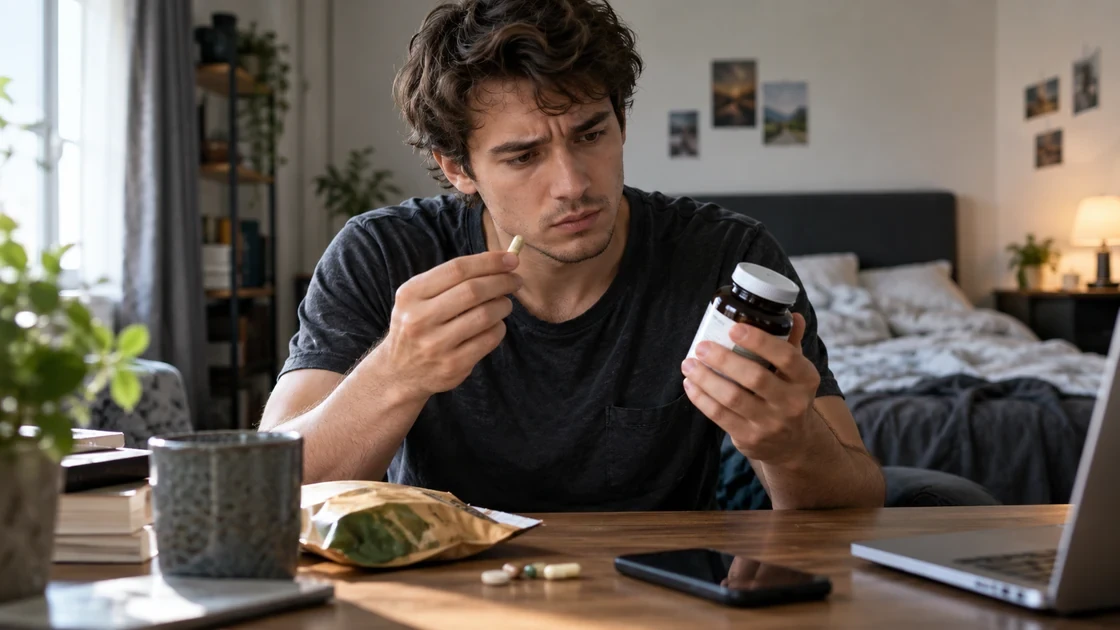
Finding unfamiliar tablets, capsules, shots, wrappers, or products labeled “cat’s claw,” “7-OH,” “MGM,” “research use,” or “21+” can be frightening. Families often feel pressure to solve the entire situation immediately.
A safer approach is to separate the immediate overdose risk from the longer-term treatment plan.
1. Respond immediately to overdose symptoms
If the person cannot be awakened or is not breathing normally, call 911 immediately and follow the dispatcher’s instructions. Administer naloxone if available. If the person is not breathing normally, provide breathing support as the dispatcher directs. Once breathing returns, place the person on their side and continue monitoring until emergency help arrives. Do not spend time searching the product online before responding.
2. Save the packaging when it can be done safely
Packaging, receipts, online-order information, or product photos may help medical personnel understand what the person believed they were taking. Do not handle loose powder or expose yourself to an unknown substance.
3. Avoid assuming a botanical label means the product is safe
The words natural, herbal, botanical, kratom-free, or cat’s claw do not confirm the product’s actual contents.
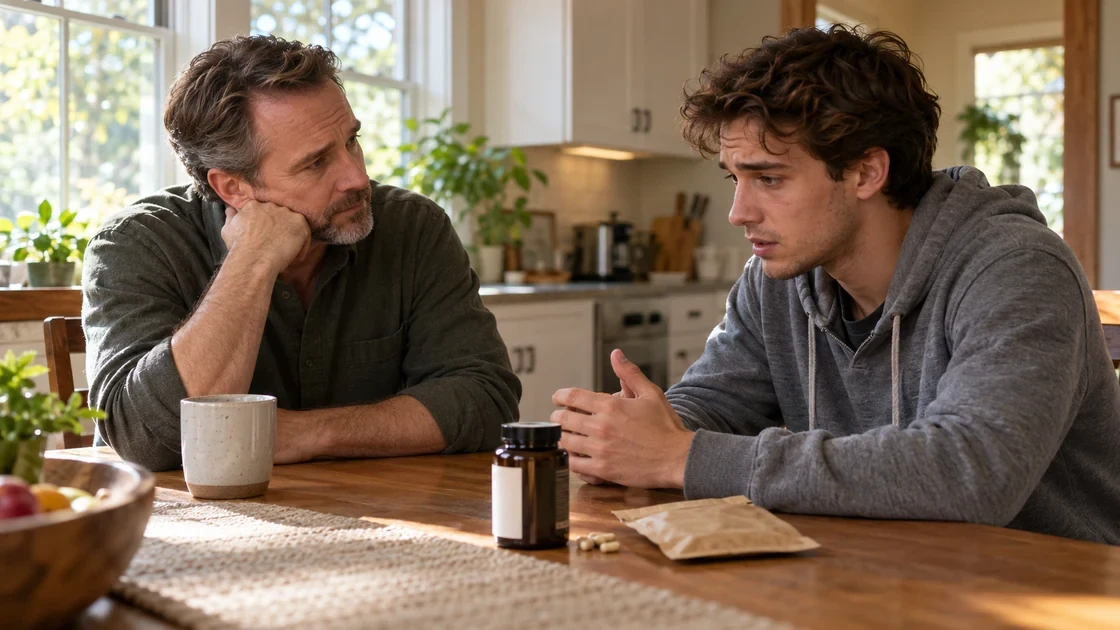
4. Have a calm, specific conversation
Describe what you observed: missing money, frequent dosing, sedation, withdrawal symptoms, unexplained packages, repeated online orders, or changes in behavior. Avoid beginning with insults, threats, or a demand for an immediate confession.
5. Arrange a professional assessment
A qualified medical or addiction professional can assess overdose history, opioid dependence, withdrawal risk, mental health, other substance use, and the appropriate level of treatment.
6. Do not wait for another overdose
A nonfatal overdose is not evidence that the person can control the next exposure. The next product may contain a different concentration or combination of substances.
How Is MGM-15 Addiction Treated?
There is no separate MGM-15 rehabilitation method that families should attempt to administer at home. Treatment follows established, evidence-based approaches for opioid dependence and opioid use disorder.
Depending on the individual, care may include:
- Emergency medical stabilization after an overdose
- Professional withdrawal management
- A comprehensive substance-use and mental-health assessment
- Medication for opioid use disorder
- Residential treatment
- Partial hospitalization or intensive outpatient treatment
- Individual, group, and family therapy
- Treatment for co-occurring anxiety, depression, trauma, or other conditions
- Peer recovery support
- Recovery coaching and relapse-prevention planning
Buprenorphine, methadone, and naltrexone are FDA-approved medications used to treat opioid use disorder. These medications are evidence-based treatment options and are not simply replacing one addiction with another. The appropriate medication and timing must be determined by a qualified medical professional.10
When an Intervention May Be Appropriate
If a loved one continues using MGM-15, 7-OH, counterfeit pills, fentanyl, or other opioids despite serious consequences, a professionally planned addiction intervention may help move the family away from repeated arguments and toward a clear treatment plan.
A professional intervention is not intended to shame, corner, or humiliate someone. It helps the family prepare, establish consistent boundaries, select an appropriate treatment option, and offer an immediate path into care.
Choosing an Appropriate Treatment Program
Families should not select treatment based solely on a polished website, a sales call, or the first available bed.
The right level of care depends on factors such as:
- Current opioid use and withdrawal risk
- Previous overdoses
- Use of alcohol, benzodiazepines, stimulants, or other drugs
- Mental-health symptoms
- Previous treatment attempts
- Home environment and access to substances
- Medical needs
- Willingness and ability to participate in treatment
Our rehab placement services help families evaluate detoxification, residential treatment, dual-diagnosis care, partial hospitalization, intensive outpatient treatment, and other appropriate options.
Getting Safely to Treatment
The period between agreeing to treatment and arriving at the program can be extremely fragile. Withdrawal, anxiety, access to substances, changing motivation, and pressure from people connected to the person’s use can derail admission.
Professional sober transport provides structured, recovery-aware support during regional and long-distance travel to detoxification, residential treatment, or another safe setting.
Support After Detox or Treatment
Detoxification addresses immediate medical stabilization and withdrawal. It does not automatically create the routines, accountability, relationships, and lifestyle changes needed for long-term recovery.
A sober companion can provide intensive, hands-on support during the vulnerable days or weeks after treatment. This may include 24/7 accountability, help following the discharge plan, protection from high-risk settings, travel support, and assistance rebuilding a healthy daily structure.
A recovery coach or online recovery coach can provide longer-term accountability, relapse-prevention planning, routine building, and support returning to family, work, school, health, and community life.

How Sober Coaching Can Help
Sober Coaching does not provide emergency medical care, laboratory testing, diagnosis, detoxification, or clinical addiction treatment. Our role is to help individuals and families understand the available options, coordinate appropriate next steps, and build practical recovery support around formal treatment.
Our nationwide, private-pay services include:
- Addiction intervention services
- Rehab and treatment placement
- Sober transportation to treatment
- 24/7 sober companion services
- Private recovery coaching
- One-on-one sober coaching
- Online recovery coaching
Families do not need to wait until the exact product has been identified or another overdose occurs before asking for help.
Concerned About MGM-15, 7-OH, Kratom, or Other Opioids?
If a loved one is using high-potency kratom derivatives, mislabeled herbal products, counterfeit pills, fentanyl, or another opioid, we can help your family understand the available treatment and recovery-support options.
Call Sober Coaching: 877-223-6680
Email: gethelp@sobercoaching.com
Frequently Asked Questions About MGM-15
What is MGM-15?
MGM-15, also called dihydro-7-hydroxymitragynine, is a potent semi-synthetic opioid created through chemical modification of kratom-related compounds. It activates mu-opioid receptors and can cause dependence, withdrawal, respiratory depression, overdose, and death.
Is MGM-15 naturally found in kratom?
MGM-15 is not ordinary naturally occurring kratom leaf. Federal authorities describe it as a synthetic or semi-synthetic derivative produced through chemical modification of purified mitragynine or 7-hydroxymitragynine-related material.
Is MGM-15 the same as 7-OH?
No. MGM-15 is related to 7-OH but is a separate compound. MGM-15 is also known as dihydro-7-hydroxymitragynine.
Why is MGM-15 being found in products labeled “cat’s claw”?
Utah officials reported laboratory identification of MGM-15 and MGPI in certain products misleadingly labeled as cat’s claw or Uncaria tomentosa. That does not mean legitimate botanical cat’s claw naturally contains MGM-15.
Is MGM-15 stronger than morphine?
Animal studies cited by federal officials found MGM-15 approximately 50 times more potent than morphine in certain analgesic models. That figure is not a direct human-dose conversion. MGM-15 should nevertheless be treated as a highly potent opioid.
Does Narcan work on MGM-15?
Naloxone should be administered in a suspected MGM-15 overdose because MGM-15 acts on opioid receptors. More than one dose may be required. Always call 911 and remain with the person until emergency medical help arrives.
Will MGM-15 appear on a routine drug test?
Routine drug screens generally do not specifically test for MGM-15. Identification may require specialized forensic-toxicology testing. A negative routine opioid test does not prove that MGM-15 or another emerging opioid was not used.
What does MGM-15 withdrawal feel like?
Withdrawal may include strong cravings, anxiety, agitation, muscle pain, sweating, chills, nausea, vomiting, diarrhea, insomnia, runny nose, watery eyes, and elevated heart rate. People experiencing significant withdrawal should receive professional medical guidance.
Is MGM-15 illegal?
As of November 1, 2026, MGM-15 is under temporary Schedule I federal control. The DEA has announced that a new temporary scheduling order will maintain that status without applying the concentration thresholds proposed for 7-OH and MGPI.
How is MGM-15 dependence treated?
Treatment generally follows evidence-based care for opioid use disorder. It may include medical assessment, withdrawal management, buprenorphine, methadone, or naltrexone when appropriate, residential or outpatient treatment, counseling, peer support, sober companion services, and recovery coaching.
Sources and Further Reading
- Utah Department of Health and Human Services: Fatal Overdoses Involving Illegal Cat’s Claw and Kratom Products, October 5, 2026.
- U.S. Department of Justice: Updated Emergency Scheduling Actions for 7-OH and Related Opioid Substances, October 9, 2026.
- Federal Register: Temporary Placement of MGM-15 and MGM-16 in Schedule I, October 14, 2026.
- Federal Register: Temporary Schedule I Order for MGPI, MGM-15, and MGM-16, August 26, 2026.
- U.S. Food and Drug Administration: Hiding in Plain Sight—7-OH Products and Related Substances, updated October 2026.
- Journal of Analytical Toxicology: Quantification of Kratom Alkaloids Including MGM-15 in Forensic Casework and Death Investigations, September 2026.
- Community Paramedics Addressing the Evolving Opioid Crisis: Cases Involving 7-OH and MGM-15 Withdrawal, October 2026.
- American College of Medical Toxicology Position Statement: Public-Health Risks of 7-OH and Other Kratom-Associated Compounds, 2026.
- Centers for Disease Control and Prevention: What to Do If You Think Someone Is Overdosing.
- Substance Abuse and Mental Health Services Administration: Treatment Options for Substance Use Disorder.
This article is provided for educational purposes only and is not medical advice, diagnosis, toxicology guidance, emergency care, or a substitute for treatment from a qualified healthcare professional. Sober Coaching provides non-clinical recovery support and does not provide medical detoxification. Call 911 immediately for a suspected overdose or medical emergency.