
Important Safety Information
Ibogaine is not FDA-approved for treating addiction and remains a Schedule I controlled substance in the United States. Research has documented clinically significant heart-rhythm changes, and deaths have occurred in association with ibogaine administration. This article is educational and should not be interpreted as medical advice or an endorsement of ibogaine treatment.
Ibogaine addiction treatment has moved from the fringes of the recovery conversation into the national spotlight. Families affected by fentanyl, heroin, prescription opioid addiction, repeated relapse, and unsuccessful treatment attempts are increasingly hearing claims that a single ibogaine experience may reduce opioid withdrawal and cravings — claims that warrant careful examination of both the evidence and the risks.
Those claims are getting serious attention from researchers and policymakers. In 2026, federal efforts to study psychedelic medicines accelerated, the FDA allowed an early-phase U.S. study of noribogaine for alcohol use disorder to move forward, and Texas continued developing an ibogaine clinical-trial initiative designed to pursue FDA approval.
There are reasons for interest. Small observational studies have reported meaningful reductions in opioid withdrawal symptoms and, for some participants, reduced opioid use after ibogaine administration. But there is another side of the story that families need to understand.
Ibogaine is not an FDA-approved treatment for opioid use disorder. It carries potentially serious medical risks, particularly dangerous changes in the electrical activity of the heart. The research remains limited, and impressive testimonials should not be confused with proof that ibogaine is a safe or permanent cure for addiction.
Perhaps the most important question is not simply whether ibogaine addiction treatment can temporarily reduce withdrawal or cravings. It is what happens afterward. If someone returns to the same environment, relationships, stress, isolation, habits, and lack of accountability that surrounded their addiction before treatment, reducing cravings alone may not be enough to create lasting recovery.
Why Ibogaine Addiction Treatment Is Suddenly in the National Spotlight
Ibogaine has been discussed in addiction circles for decades, but the level of attention surrounding it changed substantially in 2025 and 2026. Texas created an initiative intended to advance clinical research and drug development involving ibogaine. Then, in April 2026, a White House executive order directed federal agencies to accelerate research and regulatory pathways for certain psychedelic medicines, specifically mentioning ibogaine compounds.
Days later, the FDA announced that it was allowing an early-phase clinical study of noribogaine hydrochloride to move forward under an Investigational New Drug submission. This does not mean the FDA has approved ibogaine or noribogaine for addiction treatment. It means these compounds are receiving more formal scientific scrutiny in the United States. Increased research interest is not the same thing as proven safety or effectiveness.
What Is Ibogaine?
Ibogaine is a psychoactive compound found in the root bark of Tabernanthe iboga, a shrub native to Central and West Africa. Iboga has longstanding ceremonial and spiritual uses within certain African traditions. Ibogaine affects several neurotransmitter systems in the brain, which helps explain why its pharmacology is much more complicated than that of many conventional medications.
People who receive ibogaine frequently describe a long, intense psychoactive experience that may involve vivid imagery, memories, emotional reflection, and an altered sense of time. The feature that has generated the most interest in addiction medicine is different: researchers have observed that ibogaine may reduce acute opioid withdrawal symptoms and cravings in some people.
How Might Ibogaine Affect Opioid Withdrawal and Cravings?
Opioid dependence changes the brain and body. When someone who is physically dependent on fentanyl, heroin, oxycodone, or another opioid stops using, withdrawal can involve severe physical and emotional symptoms — nausea, vomiting, diarrhea, muscle pain, sweating, restlessness, insomnia, anxiety, agitation, and powerful cravings.
Ibogaine appears to interact with multiple systems involved in addiction and reward. One important part of the story is noribogaine, the major active metabolite produced when the body processes ibogaine. Noribogaine remains in the body longer and is itself being studied as a potential therapeutic compound.
What Research Says About Ibogaine Addiction Treatment
The existing human research is intriguing, but families should understand its limitations. In a 2017 observational study involving 30 people with opioid dependence, researchers reported a substantial decline in self-reported opioid withdrawal scores after ibogaine administration. A separate observational study followed 14 people after a single ibogaine treatment and reported reductions in acute withdrawal symptoms among some participants.
These findings help explain the excitement surrounding ibogaine. But these were small observational studies, not large randomized clinical trials. Observational studies cannot establish effectiveness with the same confidence as well-designed controlled trials. Participant numbers were small, follow-up was incomplete in some studies, and one participant in a New Zealand observational study died during treatment.
The evidence is promising enough to justify serious research. It is not strong enough to justify calling ibogaine a proven cure for opioid addiction.
Is Ibogaine FDA-Approved?
No. As of August 2026, ibogaine is not FDA-approved to treat opioid use disorder, alcohol use disorder, PTSD, depression, or any other medical condition in the United States. The FDA's decision to allow an early-phase noribogaine study is important, but an Investigational New Drug study is part of the research process — not an approval for routine clinical use.
Is Ibogaine Addiction Treatment Legal in the United States?
Ibogaine remains listed as a Schedule I controlled substance under federal law in the United States. Its possession and administration are generally prohibited outside federally authorized research and other legally permitted pathways. Recent federal action may create new research and investigational pathways, but it has not converted ibogaine into an FDA-approved medication available through ordinary addiction-treatment programs.
The Serious Heart Risks Families Need to Understand
The most important safety concern surrounding ibogaine involves the heart. Ibogaine can prolong the heart's QT interval, an electrical measurement obtained through an electrocardiogram. Excessive QT prolongation can increase the risk of dangerous ventricular arrhythmias.
A published observational safety study involving people with opioid use disorder found clinically significant, although reversible, QTc prolongation after ibogaine administration even in a carefully monitored setting. Published medical literature has associated ibogaine with serious cardiac events and deaths. That is why ibogaine addiction treatment should never be viewed like a wellness retreat, supplement, or ordinary psychedelic experience.
Why Fentanyl Makes the Conversation Even More Complicated
The modern opioid crisis is different from the opioid environment in which much of the earlier ibogaine research was conducted. Illicit fentanyl is extremely potent, and the illegal drug supply can contain additional opioids, sedatives, stimulants, xylazine, medetomidine, or other unexpected substances. Someone considering treatment today may arrive with a very different pattern of physical dependence, medical risk, polysubstance exposure, and psychiatric complexity than a participant in an older observational study.
What About Buprenorphine, Methadone, and Naltrexone?
The excitement surrounding an emerging treatment should not cause families to overlook treatments with much stronger evidence. According to the National Institute on Drug Abuse, methadone, buprenorphine, and naltrexone are FDA-approved medications used to treat opioid use disorder. These medications are associated with reductions in opioid use and overdose risk. Treatment decisions should be individualized with qualified medical professionals.
Is Ibogaine Addiction Treatment a Cure for Addiction?
No responsible recovery professional should promise that it is. Even if ibogaine dramatically reduces withdrawal and cravings for a particular person, addiction involves far more than physical dependence. Someone may still return home with the same triggers, unhealthy relationships, work or family stress, poor sleep, isolation, untreated mental health concerns, easy access to alcohol or drugs, no sober community, no daily structure, and no accountability.
Removing withdrawal does not automatically teach someone how to live sober. That is the difference between interrupting addiction and building recovery.
Why Reduced Withdrawal Is Not the Same as Long-Term Recovery
Withdrawal is often one of the biggest barriers preventing people with opioid dependence from stopping. If future research confirms that ibogaine or related compounds can safely reduce withdrawal, that could become extremely valuable. But completing withdrawal is only the beginning.
Long-term recovery involves changing behavior, routines, relationships, coping strategies, decision-making, and the environment surrounding the person. Someone can feel physically better and still relapse because they are lonely. They can have fewer cravings and still return to an unhealthy relationship. A powerful experience can create an opportunity for change. What someone does with that opportunity determines whether it becomes a recovery lifestyle.
What Happens After Ibogaine Addiction Treatment?
This may be the most overlooked question in the entire ibogaine conversation. If someone travels for an experimental treatment and then returns home, what happens on Monday morning? Who helps establish a sober routine? Who provides accountability? What happens when stress returns, when an old dealer calls, during family conflict, loneliness, insomnia, or the first serious craving?
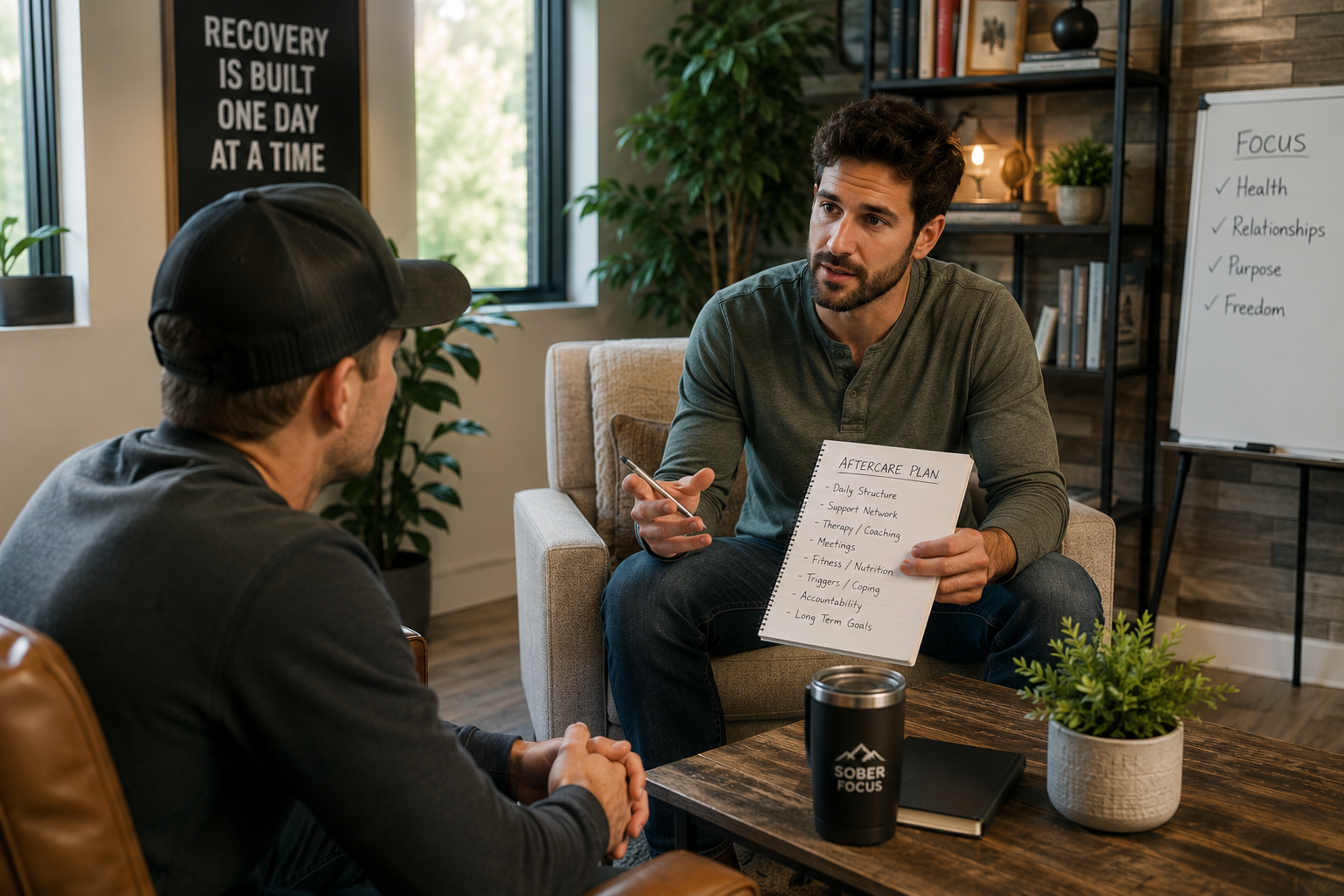
A strong post-treatment plan may include appropriate medical follow-up, therapy, medication when clinically indicated, recovery meetings or another supportive community, exercise, nutrition, family boundaries, structured daily routines, and professional recovery support. The plan should be developed before the person returns to the same environment where addiction previously developed.
Why a Sober Companion May Help After Treatment
The period immediately following any intensive addiction intervention can be vulnerable. That may be particularly true when someone returns from an experience they believe has fundamentally changed their relationship with drugs. Optimism is valuable. Overconfidence can be dangerous.
A Sober Companion can provide hands-on, real-world structure during the transition home — including 24/7 support, travel accompaniment, meeting attendance, daily scheduling, healthy routines, family coordination, relapse-prevention planning, and immediate accountability when high-risk situations develop.
How Sober Coaching Helps Turn Insight Into Action
A person may come home from treatment with new insight into their addiction. But insight does not automatically produce new habits. A Sober Coach helps clients work on the practical side of recovery: daily structure, goals, accountability, relapse prevention, fitness, healthy routines, recovery-community involvement, and follow-through.
For clients who travel frequently, live outside the area, or prefer remote support, Online Recovery Coaching can provide consistent one-on-one accountability from virtually anywhere.

What Families Should Ask Before Considering an Ibogaine Program
Families researching ibogaine addiction treatment should approach the decision like a serious medical decision. Important questions include:
- What is the legal and regulatory status of the program where treatment is being provided?
- What licensed medical professionals are physically present?
- What cardiac screening is performed before treatment?
- Are medications, supplements, and current substance use reviewed for potential interactions?
- What monitoring occurs during and after administration?
- What emergency equipment is available onsite?
- What is the emergency transfer plan if a serious cardiac or medical complication occurs?
- What aftercare and relapse-prevention planning is provided?
- Does the program make realistic claims, or does it promise a cure?
A program that minimizes cardiac risks, discourages questions, guarantees success, or claims aftercare is unnecessary should raise serious concerns.
How Sober Coaching Can Help
Sober Coaching does not provide ibogaine, psychedelic therapy, detoxification, medical treatment, or psychiatric care. Our role begins where many treatment experiences become most difficult: putting recovery into practice in everyday life. Depending on the circumstances, Sober Coaching can help families with Addiction Intervention Services, Rehab Placement, Sober Transport, 24/7 Sober Companion Services, Sober Coaching, and Online Recovery Coaching.
A treatment experience may open the door. Recovery is what someone builds after walking through it.
Frequently Asked Questions
What is ibogaine addiction treatment?
Ibogaine addiction treatment refers to the use of the psychoactive compound ibogaine in an attempt to reduce substance-use symptoms, particularly opioid withdrawal and cravings. Ibogaine is not FDA-approved for addiction treatment in the United States, and evidence supporting its effectiveness remains preliminary.
Can ibogaine stop opioid withdrawal?
Small observational studies have reported substantial reductions in opioid withdrawal symptoms following ibogaine administration. However, larger randomized controlled studies are needed to establish how effective it is, which patients may benefit, and how its risks should be managed.
Is ibogaine FDA-approved?
No. Ibogaine is not currently FDA-approved for opioid use disorder or any other medical condition in the United States.
What are the biggest risks of ibogaine?
One of the most significant known risks is QT prolongation, an alteration in the heart's electrical activity that can increase the risk of dangerous arrhythmias. Treatment-associated deaths have been reported in the medical literature.
Is ibogaine a cure for opioid addiction?
No treatment should be presented as a guaranteed cure. Even if ibogaine reduces withdrawal or cravings, long-term recovery still requires changes in behavior, environment, coping skills, relationships, structure, and accountability.